

Affiliate marketing can help a business reach customers through trusted voices, but adding a few links to a website is not a strategy. The most common affiliate marketing mistakes to avoid happen before a campaign earns its first commission: choosing unsuitable partners, overlooking the customer journey, or failing to measure what actually drives sales. A thoughtful setup protects both revenue and audience trust.
Choose programs for audience fit, not headline commission
A high commission rate can look attractive, but it matters only if the product makes sense for the people who follow you. A mismatch may generate clicks without purchases, and repeated recommendations that feel irrelevant can weaken your credibility. Start with your audience’s needs, the products they already consider, and the kind of content that helps them make a decision.
Then compare the terms behind the offer. Commission structure, attribution window, payout rules, and tracking reliability all affect the likely return. A percentage of a one-time purchase behaves differently from recurring revenue, while a short tracking window may not suit a product with a long research cycle. A useful comparison of affiliate marketing programs can help narrow the options, but the final choice should reflect your own audience and publishing format.
Make recommendations useful, not just frequent
Affiliate content performs best when it answers a real question. A tutorial, comparison, or case study can show who a product is for, what it does well, and where another option may be a better fit. By contrast, a list of links without context asks readers to trust a recommendation without giving them enough information to judge it.
Be clear about the limits of your experience. If you have not tested a product, do not imply that you have. If a feature, price, or policy can change, check it before publication and revisit the page periodically. Accurate details help readers make informed choices and reduce the chance that an outdated claim damages trust.
Do not confuse clicks with performance
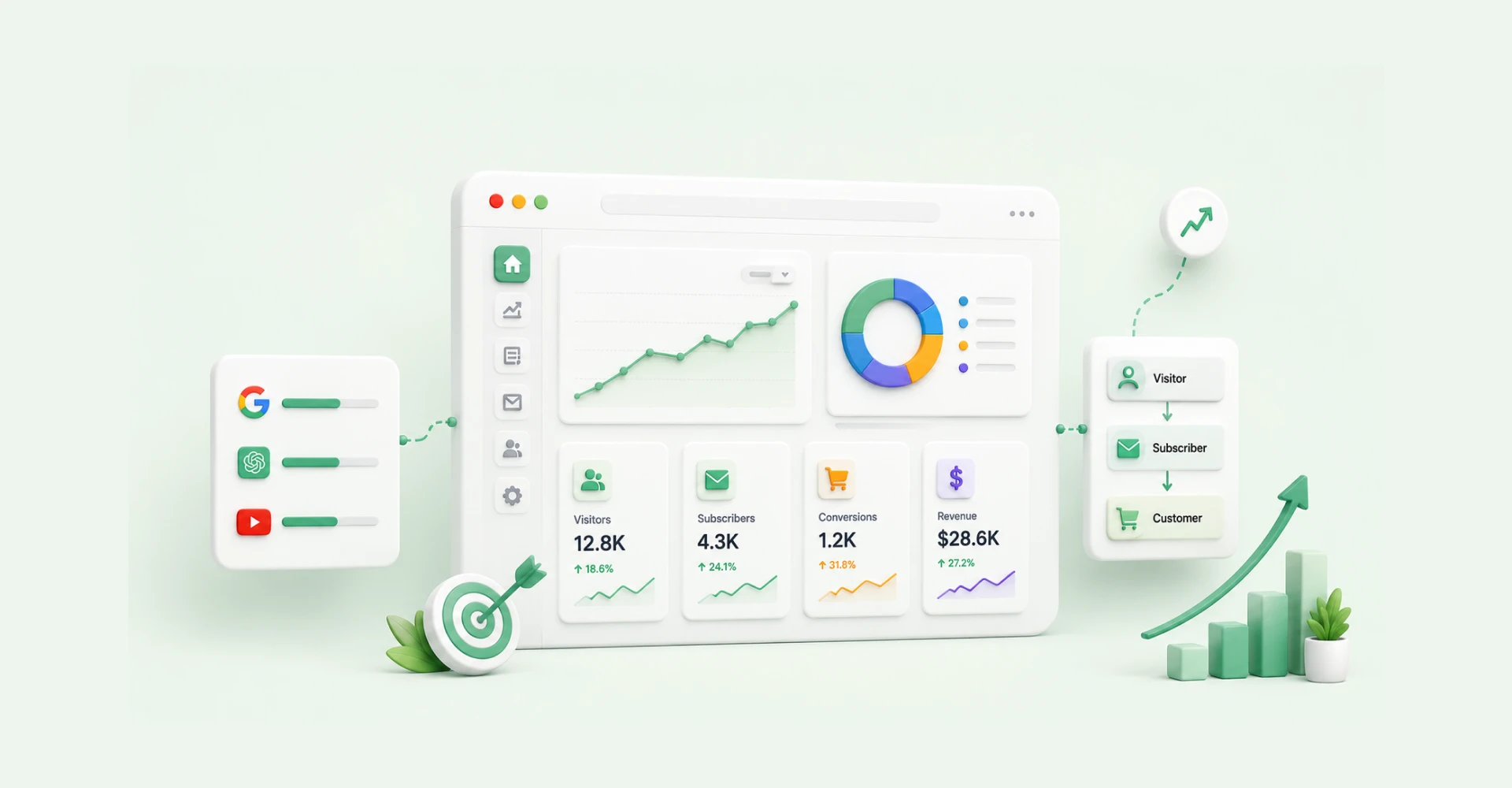
Traffic and click-through rate are useful signals, but neither proves that a campaign is profitable. Track the full path where possible: referral clicks, conversions, average order value, cancellations, and commission earned. Compare results by content type and partner rather than treating every link as equal. This can reveal, for example, that a smaller number of readers from a focused guide converts more reliably than a broad social post.
Give experiments enough time to produce meaningful data. Changing links, copy, and placement all at once makes it difficult to know what caused a result. Test one variable at a time, record the dates and changes, and account for seasonal patterns or shifts in traffic. Also check tracking links after publishing; a broken or incorrectly tagged link can make otherwise strong content look ineffective.
Keep the reader experience in view
Too many calls to action can make an article feel like a sales page. Place recommendations where they help answer the reader’s question, and keep surrounding text informative. Pages should load quickly, links should work on mobile, and the content should remain readable without interruptions. A commission is not worth sacrificing the experience that brought an audience to your site in the first place.
Transparency matters as well. Follow the disclosure requirements that apply to your location and platform, and make the relationship easy to understand before a reader acts on a recommendation. A clear explanation is more useful than vague wording tucked away where few people will see it.
Plan for audiences beyond your home market
When a campaign begins attracting visitors from other countries, translating a headline alone is rarely enough. Product names, examples, spelling, currency, cultural references, and purchase expectations may all need attention. Effective AI content localization can speed up adaptation of copy and video, but human review is important for tone, accuracy, and local context. Osdire, for instance, is a freelance marketplace where businesses can hire specialists in writing, translation, and video across a broad range of categories; that kind of expertise can help review material that automated tools draft.
Before expanding, confirm that the promoted product is available in the target market and that the affiliate program tracks sales there. Check whether local visitors see relevant pricing and shipping information, and whether the landing page uses their language. Otherwise, international clicks may create activity without a realistic path to conversion.
Build a process you can maintain
A sustainable affiliate program depends on consistent upkeep, not a one-time publishing push. Keep a simple record of partners, commission terms, links, content updates, and performance. Review your best-performing pages on a schedule, remove offers that no longer fit, and refresh recommendations when products or terms change.
The strongest campaigns treat affiliate revenue as the result of useful publishing, careful measurement, and earned trust. Choose offers that genuinely serve readers, explain them honestly, and improve the experience based on evidence. Avoid those basics, and even a generous commission can become a short-lived win; get them right, and affiliate content can remain valuable to both the audience and the business.

